
The Seasonal Shift Towards Lighter Eating
Summer has always had a noticeable influence on the way people eat. As temperatures rise and the days become longer, heavy comfort food often gives way to lighter meals built around fresh produce, vibrant flavours, and seasonal ingredients. Whether cooking at home or eating out, many people naturally gravitate towards dishes that feel fresh, colourful, and suited to warmer weather.
Across Europe, this seasonal shift has reinforced the popularity of Mediterranean food. Long associated with vegetables, fruit, herbs, whole grains, olive oil, and balanced protein choices, Mediterranean cooking emphasises ingredients rather than elaborate preparation. Instead of masking flavours with rich sauces, it often lets seasonal produce speak for itself.
Why Warm Weather Changes Food Choices
The weather has a significant influence on food choices. During colder months, hearty stews, roasted vegetables, and rich dishes provide comfort. Summer encourages something different.
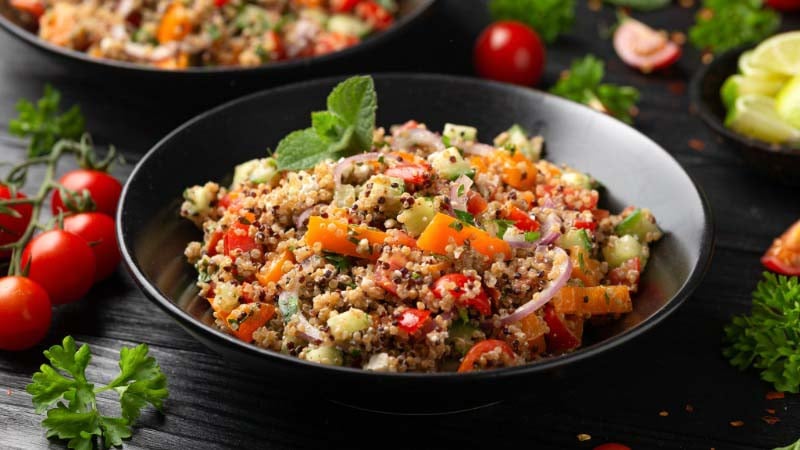
Lighter meals become more appealing throughout the day, particularly those built around crisp vegetables, fresh herbs, citrus, and fruit. Restaurant menus often respond with grain bowls, seasonal salads, chilled soups, and dishes that make the most of ingredients harvested at their peak. These meals also reflect a broader preference for healthy eating during the warmer months, when freshness often becomes just as important as flavour.
Mediterranean Cuisine as the Perfect Summer Choice
Mediterranean cuisine has become one of the defining influences on contemporary restaurant menus. Drawing inspiration from countries including Spain, Greece, and Italy, it centres on seasonal ingredients and balanced combinations rather than complexity.
This style of cooking naturally suits summer. Watermelon, peaches, tomatoes, courgettes, cucumbers, and sweetcorn appear alongside fresh herbs, citrus, beans, whole grains, olive oil, and lighter dairy ingredients such as feta or yoghurt. Together, these ingredients create meals that feel satisfying without being overly heavy, making them especially well-suited to warm weather.
Celebrating Seasonal Produce
One of the defining characteristics of summer cooking is the abundance of fresh produce available throughout the season. Fruit and vegetables harvested at their peak often deliver better flavour, texture, and versatility.
Many restaurants adjust their menus accordingly, introducing dishes that celebrate seasonal ingredients instead of relying on heavier cooking techniques. The natural sweetness of melon and peaches, the acidity of ripe tomatoes and citrus, and the freshness of herbs all help create balanced dishes that require little embellishment.
The Growing Demand for Plant-Based Flexibility
The growing interest in plant-based eating has influenced restaurant menus well beyond vegetarian and vegan audiences. Increasingly, diners are looking for meals where vegetables, grains, legumes, and fruit take centre stage, while still appreciating menus that include dairy, fish, or meat.
This flexible approach has encouraged restaurants to create menus that appeal to a wide variety of eating habits without focusing on a single dietary identity.
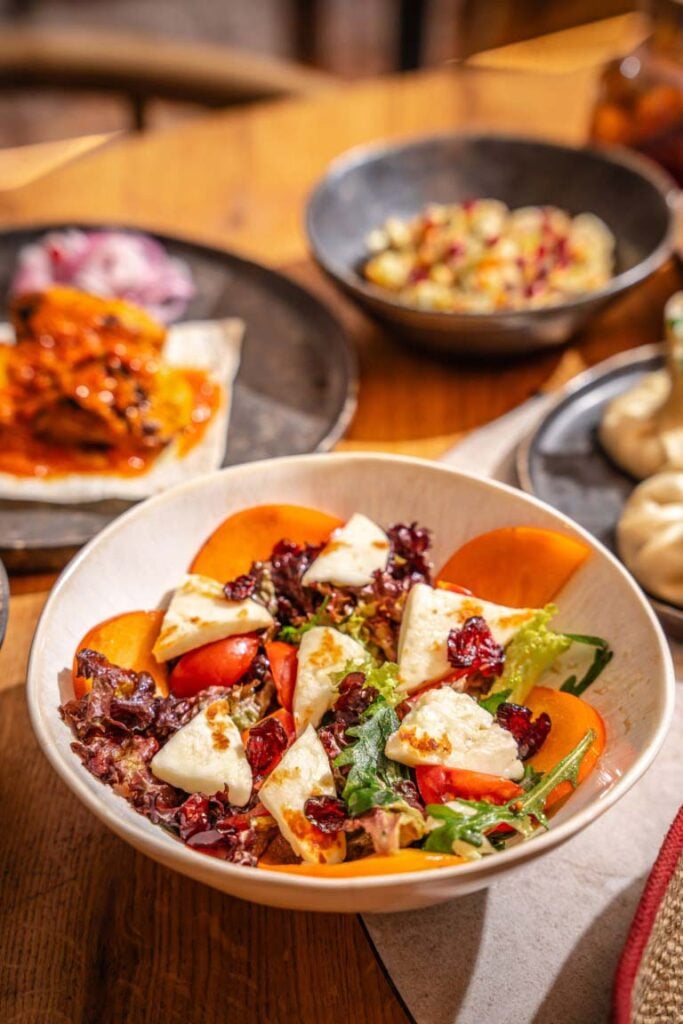
An example can be found at Hg Soho, known outside the UK as Honest Greens, where the summer menu includes both plant-based dishes and options featuring ingredients such as goat’s cheese, feta, and stracciatella.
Fresh Ingredients Drive Modern Healthy Menus
Freshness has become one of the defining characteristics of many modern healthy menu concepts. Rather than depending on rich sauces or heavy seasoning, chefs increasingly rely on ingredients that naturally bring brightness and balance.
Fresh herbs, citrus, pickled vegetables, and seasonal fruit all contribute layers of acidity and freshness that make dishes feel lighter during the hottest months of the year. The result is food that feels vibrant without becoming overly complicated.
Why Texture Matters in Summer Dining
Modern diners increasingly expect more than good flavour alone. Texture has become an equally important part of menu development, particularly during summer when lighter dishes dominate.
Creamy elements paired with crunchy toppings, soft fruit alongside crisp vegetables, and warm ingredients contrasted with chilled components all create more engaging dishes. These combinations add interest without requiring additional richness, making them particularly effective in warm weather.
Seasonal Menus Reflect Changing Dining Trends
Seasonal restaurant menus often provide a snapshot of wider eating habits rather than simply introducing new dishes. The summer menu at Hg Soho and in general at Honest Greens reflects many of the characteristics increasingly seen across contemporary Mediterranean dining. Seasonal fruit and vegetables, fresh herbs, citrus, contrasting textures and a mix of plant based and dairy based ingredients all appear throughout the menu, illustrating how ingredient driven cooking continues to shape restaurant culture.
Conclusion
Summer continues to shape food culture in meaningful ways. As diners look for lighter meals built around seasonal ingredients and vibrant flavours, restaurants increasingly adapt their menus to reflect those preferences.
The lasting appeal of Mediterranean food demonstrates how naturally these principles align with contemporary eating habits. By bringing together seasonal produce, whole grains, herbs, dairy and plant based ingredients, restaurants can create dishes that feel fresh, balanced and distinctly suited to summer.
A Collaborative Post
Other Things You Might Enjoy Reading

Leave a Reply