People talk about farm performance like it lives in big decisions only.
Season timing. Rainfall. Genetics. Input costs. Commodity prices. Fair enough; those shape a lot. But day-to-day farm health is often built on smaller, repeated choices that don’t attract much fuss while they’re working properly. Feed sits near the top of that list.
That’s why reliable supply matters so much. For producers sourcing Bedwells stock feed, the question usually isn’t only what’s available. It’s whether the feed program supports animal condition, routine consistency and the kind of steady management that productive land depends on. Healthy animals rarely happen by accident, and neither does a property that keeps performing across the season.
Because animals and land are linked more closely than people sometimes frame them. Feed decisions affect condition, movement, grazing pressure, supplementation needs and how much stress the whole system ends up carrying when seasonal conditions tighten.
Animal Health Shows Up in More Than the Animals
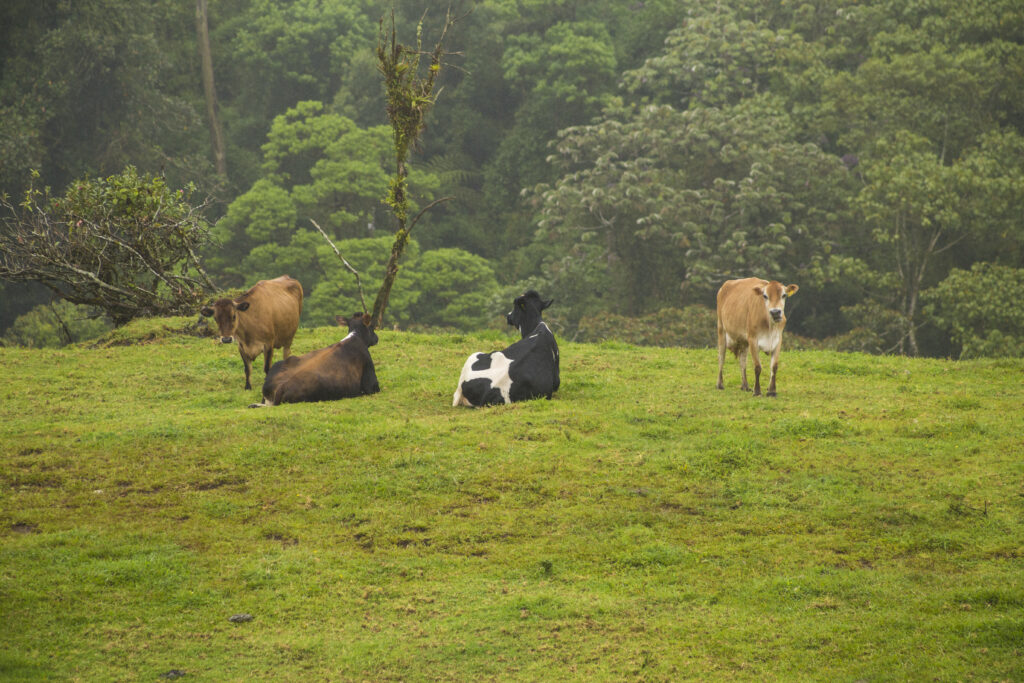
Livestock condition tells a broader story than many people realise.
Healthy animals generally reflect decent planning, sound nutrition and management that hasn’t been left to chance. When stock are underfed, poorly balanced nutritionally or forced into inconsistent feeding patterns, the effects don’t stay neatly contained to body condition. Fertility, growth, milk production, recovery, temperament and vulnerability to stress can all start shifting in the wrong direction.
That has consequences for the property as well. Once animals aren’t holding condition properly, grazing pressure can become harder to manage cleanly. Paddocks may get pushed further than they should. Recovery periods shrink. Supplementation turns reactive instead of planned. The system starts making choices under pressure.
And pressure usually produces rougher outcomes. Not always dramatic ones straight away, but enough to wear down margins and resilience over time. A farm doesn’t need a full-blown crisis to start losing efficiency. It only needs enough small compromises stacking up in the same direction.
That’s one reason feed quality and reliability matter. They help reduce unnecessary stress across the whole operation, not just at the trough.
Productive Land Benefits From More Predictable Feeding
Land performs better when management has options.
If stock nutrition is well supported, there’s usually more flexibility in how paddocks are used, when pressure gets eased and how seasonal variability is handled. That doesn’t remove the challenges of weather or feed gaps, though it does give producers more room to make measured decisions rather than rushed ones.
That room matters. Once feed becomes inconsistent or unsuitable, land often ends up carrying the consequences indirectly. Overgrazing risk rises. Ground cover can suffer. Rotations get harder to maintain. The farm starts responding to immediate animal needs in ways that may not suit the paddocks long term.
A stronger feeding program helps protect against that sort of squeeze. It supports animal performance, sure, but it also supports better timing. Better timing usually leads to better land outcomes. There’s less scramble, less forced compromise and less chance of paddocks being asked to give more than they comfortably can.
That connection gets missed sometimes because feed is treated as a livestock issue only. In practice, it’s a whole-farm issue.
Consistency Usually Beats Last-Minute Correction
Farm systems rarely improve through panic.
They improve through repeatable decisions made early enough to matter. Feed sits firmly in that category. When nutrition planning is steady and supply is dependable, it becomes easier to maintain condition and avoid the sort of catch-up management that costs more and works less well.
Last-minute correction tends to be expensive in every direction. Animals take a hit first, but labour, pasture management and cash flow can all feel it too. What should have been a manageable nutrition issue becomes a broader operational drag because the response came under pressure.
Consistency doesn’t mean rigidity. Seasons change, stock classes differ and feeding programs need adjusting. But consistency in quality, access and planning gives the farm a better base to work from when conditions inevitably shift. That’s valuable. More valuable than people often give it credit for.
Especially on properties where the margin for error isn’t huge, the quiet strength of reliable feed can influence far more than the next few days.
Good Feed Supports More Than the Obvious
Healthy animals and productive land tend to have one thing in common; they’re both easier to maintain when the fundamentals are handled well.
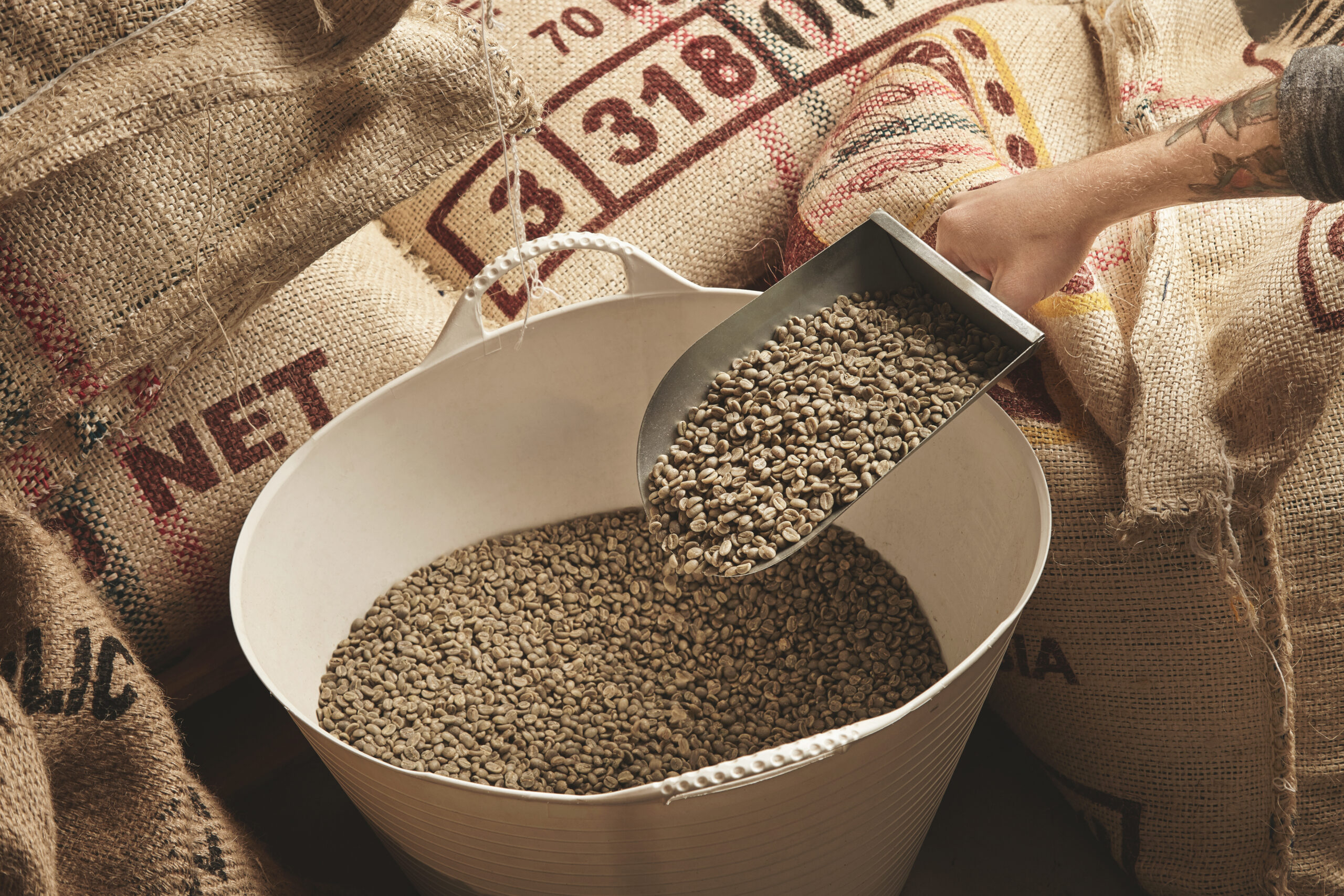
Feed is one of those fundamentals. Not glamorous, not something most people outside agriculture talk about with much romance, but deeply practical and tied to results in ways that ripple across the property. Animal condition, pasture pressure, timing, resilience and output all sit closer to nutrition than they may first appear.
That’s why feed choices matter beyond the bag or the bin. They shape what the farm can sustain, how smoothly it can respond to change and how much unnecessary strain builds up when the season turns difficult.
Healthy animals don’t only benefit the land. They often reflect the sort of management that helps the land hold up better too.
Leave a Reply