
Sarcopenia isn’t just about losing muscle. It’s about losing the strength to live independently. DL185® research shows dileucine addresses what standard supplements can’t.
Sarcopenia is often described as muscle loss, but that framing understates the real problem. What aging adults lose isn’t just mirror-muscle. After 50, strength declines two to three times faster than mass,[1] which means the things that actually matter go first: rising from a chair, climbing stairs, carrying groceries, catching yourself before a fall. Sarcopenia is the leading driver of functional impairment and loss of independence in older adults,[1] and it’s underserved in the supplement industry.
Peptides and NNB Nutrition’s DL185: A Better Way to Preserve Muscle
The supplement world is paying increasing attention to peptides as a class. Unlike typical proteins, which primarily supply raw amino acids, certain peptides act more like signaling molecules, regulating physiological processes through what researchers call informational signaling. Some enhance immune response, others reduce systemic breakdown, and some potently drive muscle protein synthesis (MPS).
DL185® is NNB Nutrition’s branded form of dileucine (L-leucyl-L-leucine), a dipeptide of two leucine molecules. It’s an evidence-backed muscle-signaling peptide, and the case for its use in aging populations is stronger than most people realize. The argument isn’t complicated: aging muscle has a higher leucine threshold to trigger MPS, absorbs amino acids less efficiently, and can’t rely on normal protein doses to get the job done. Dileucine addresses all three problems at once.
This article introduces peptide science and gets into the details and research behind DL185. Before going further, sign up for PricePlow’s NNB Nutrition news alerts so that you don’t miss any new developments:
Subscribe to PricePlow’s Newsletter and Alerts on These Topics
What Are Peptides?
Peptides are short chains of amino acids, a subset of proteins with distinct physiological roles. They don’t simply get broken down and used as building material. Rather, they act as biological signals that regulate processes throughout the body.
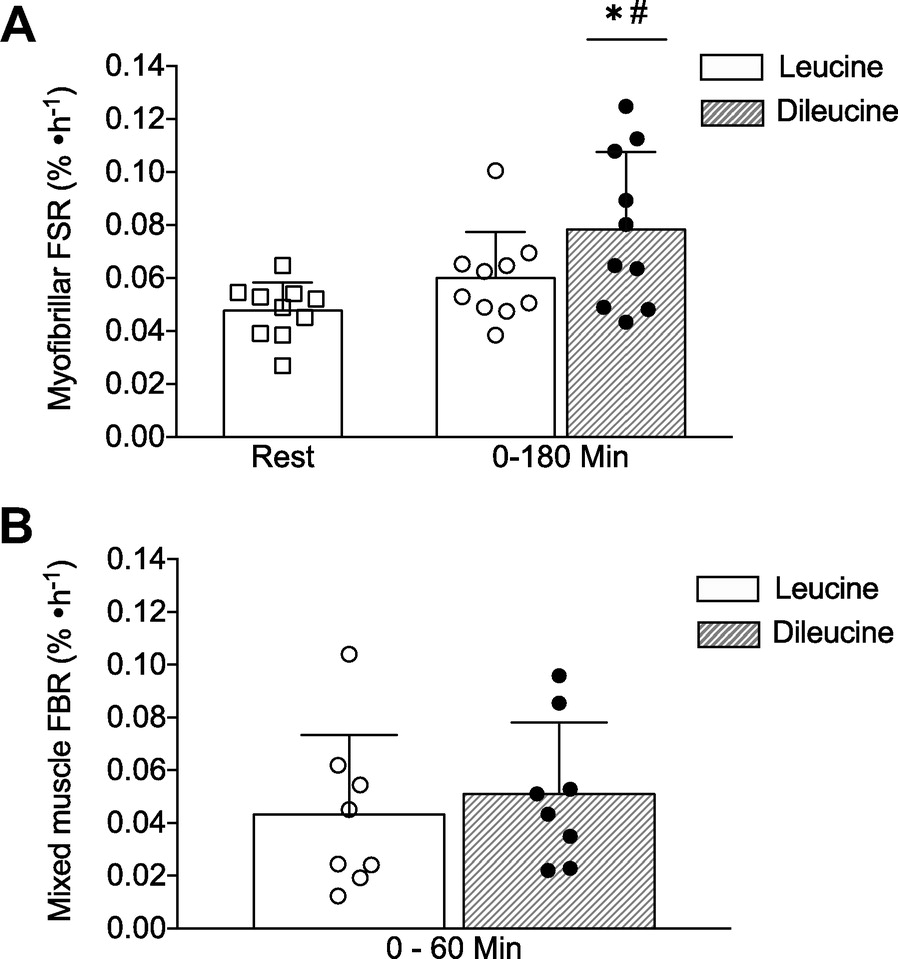
Oral dileucine increased muscle protein synthesis.[2]
Research has shown that peptides can enhance immune response,[3] influence inflammatory responses,[4] and stimulate muscle protein synthesis more efficiently than their constituent amino acids.[2] That last property is the most relevant here, and why the peptide category is worth watching for muscle preservation applications.
Sarcopenia: An Underserved, Leucine-Sensitive Epidemic
After age 50, adults lose roughly 1% to 2% of muscle mass per year if left untreated, and up to 3% of strength. Falls, fractures, hospitalizations, and loss of independent function follow.[1] A condition called dynapenia (age-related loss of strength independent of mass) is now recognized as more strongly associated with disability and mortality than lean mass loss alone.[5]
The deeper problem is what researchers call anabolic resistance. Aging muscle becomes less responsive to standard protein doses. It needs a higher, faster amino acid signal, especially leucine, to trigger MPS.[6] In fact, leucine requirements in elderly men are nearly double the previous recommendations.[7] Yet most products in the market still use generic proteins or free amino acids that weren’t designed with rapid leucine delivery in mind.
Aging muscle needs more leucine, faster, and the industry largely isn’t addressing it. That’s the gap DL185 fills.
Leucine Is Central, But Delivery Context Matters
Those familiar with supplements will recognize leucine as the most anabolically potent of the branched-chain amino acids (BCAAs). Leucine activates mTOR (mammalian target of rapamycin), the main signaling hub for muscle protein synthesis.[8] All three BCAAs exhibit muscle-sparing effects, but leucine’s mTOR activation is in a class of its own.[9]
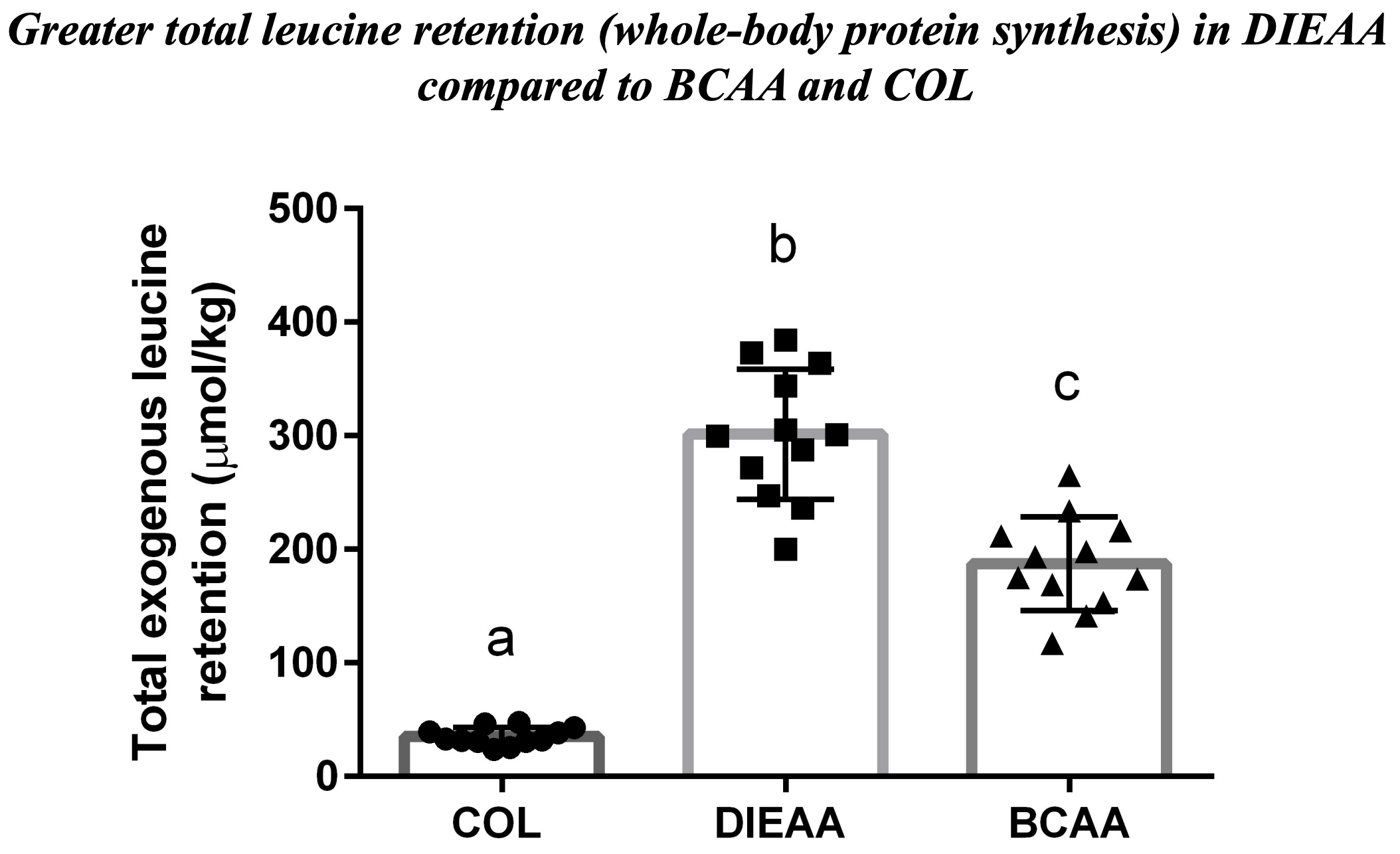
The DIEAA group showed vastly greater leucine retention than either BCAA or COL.[10]
As we age, our requirement for leucine increases while intake generally drops. It’s a double bind. The logical answer is leucine supplementation. But the reality is more complicated.
Randomized controlled trials on leucine supplementation in sarcopenia have returned inconsistent results. One trial found no significant benefits for functional impairment, inflammatory cytokines, or nutritional assessment markers.[11] The amounts required in animal models for meaningful anti-catabolic effects would translate to 13g to 60g of leucine daily in humans.[12] That’s not entirely practical, especially not on the upper end.
The conclusion from researchers: delivery and context matter, not just the leucine content. Getting leucine into muscle quickly and efficiently is the real variable. This is where dileucine changes things.
Dileucine: Faster Delivery Through a Different Gate
The body absorbs di- and tripeptides via a dedicated transporter in the gut wall called PEPT1, which operates independently from amino acid transporters.[13] Because PEPT1 is a high-capacity system, peptide absorption is faster and more efficient than free amino acid uptake. Research has confirmed that dipeptides are absorbed roughly 185% faster than their component amino acids.[14]
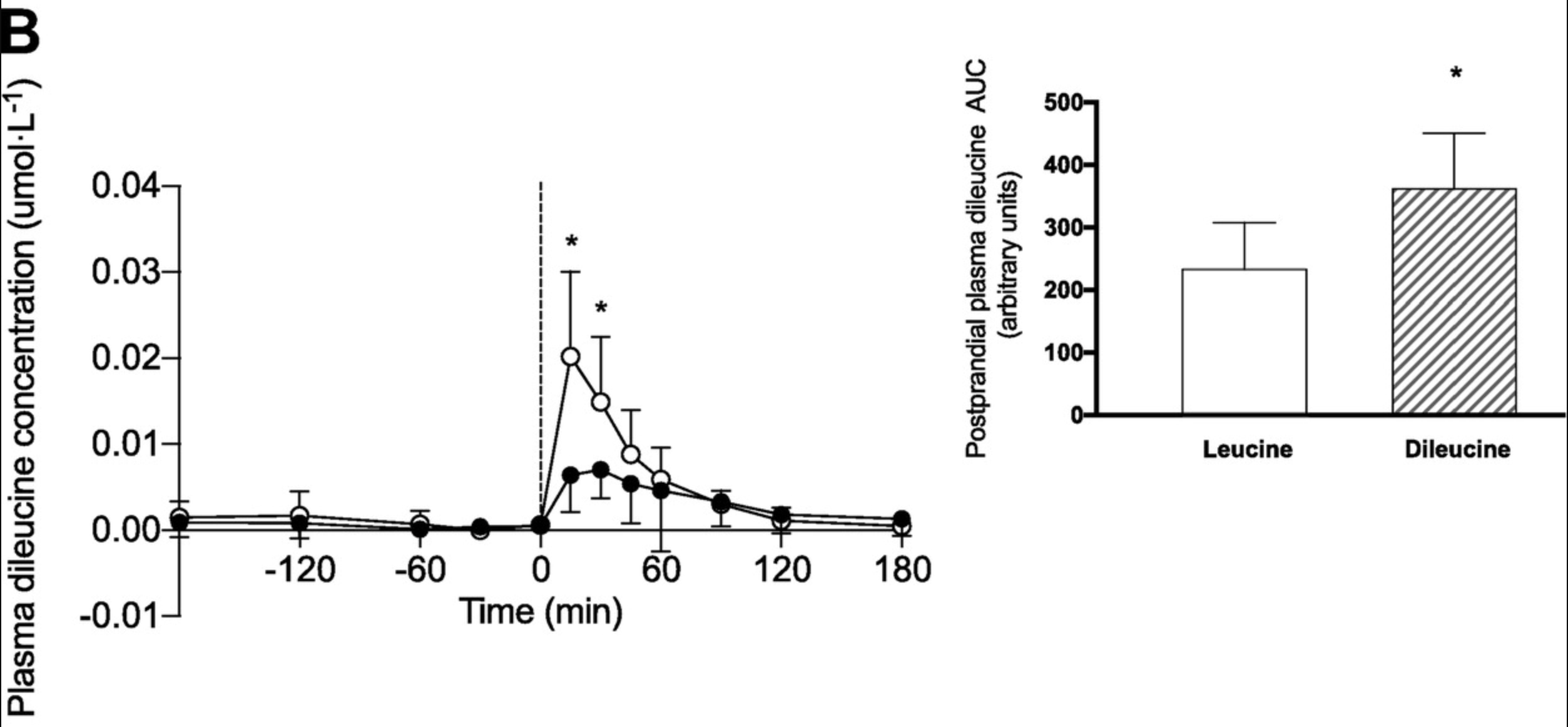
Dileucine was absorbed more efficiently than leucine.[2]
There’s something else that caught researchers’ attention in the Paulussen et al. 2021 study: dileucine isn’t fully hydrolyzed in the gut before absorption. A meaningful fraction reaches systemic circulation intact as dileucine, not just as free leucine.[2] This matters because it creates two distinct anabolic signals: elevated plasma dileucine and elevated free leucine simultaneously.
Interestingly, the researchers also found that leucine ingestion itself increases plasma dileucine levels, which suggests the body actively forms dileucine from leucine when given the raw material. The body doesn’t do extra metabolic work without a reason!
To put dietary context around the numbers: you’d need roughly 159g of whey protein concentrate or 219g of pea protein to naturally get 2g of dileucine from food. That’s why a concentrated ingredient form is the only practical path to a clinical dose.
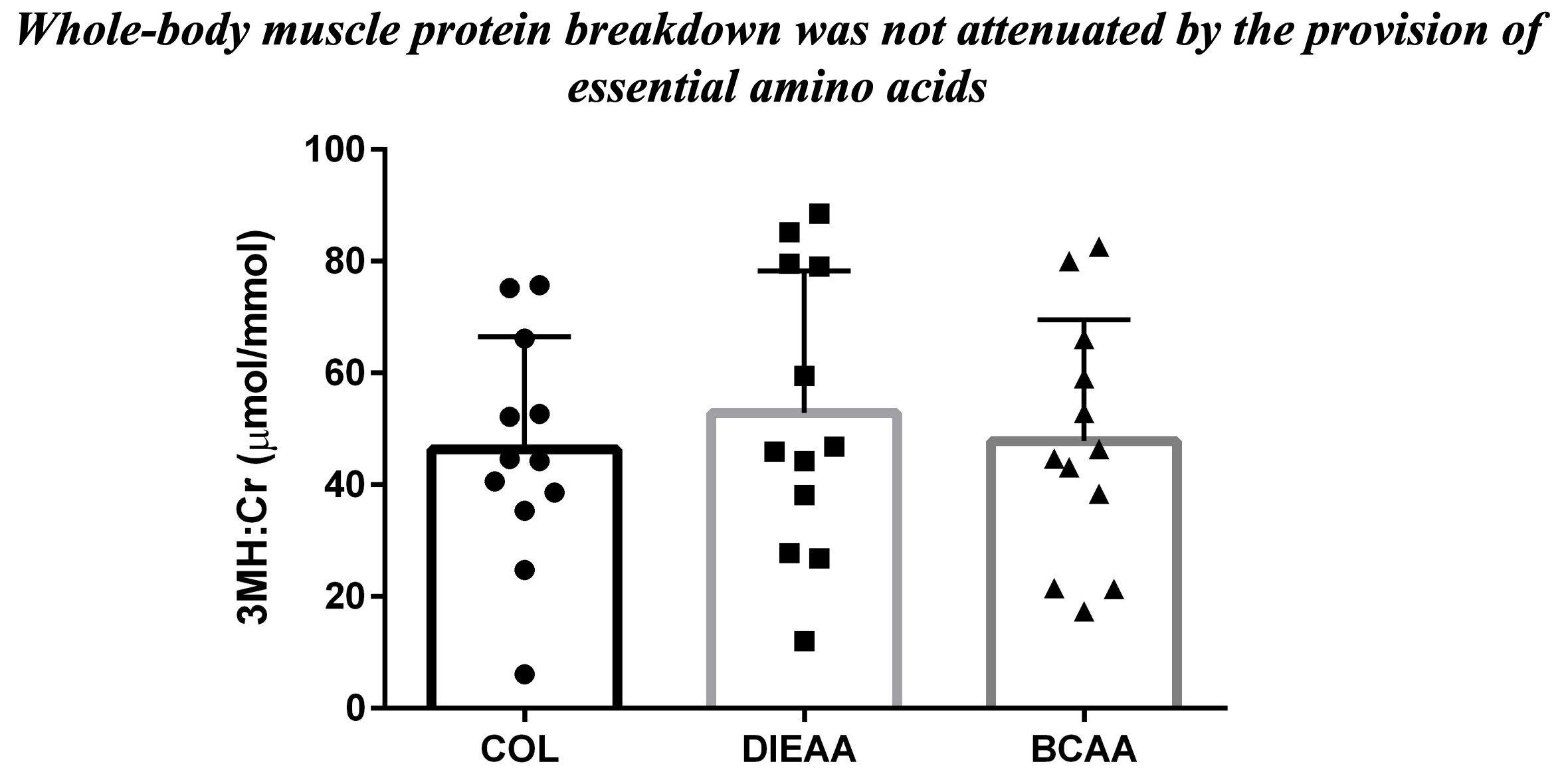
The administration of DIEAA, unlike BCAA, substantially decreased muscle catabolism in response to whole-body resistance training.[10]
For aging muscle specifically, the PEPT1 advantage becomes even more important. Gut absorption efficiency and intestinal blood flow both decline with age, which means free amino acid transport gets less reliable over time. Dipeptides that bypass free amino acid transporters are better positioned to deliver leucine to aging muscle than free amino acid supplements.
The Clinical Evidence for DL185
-
Paulussen et al., 2021: Dileucine Beats Leucine for Acute MPS
The key human trial on dileucine vs. leucine was published in the Journal of Applied Physiology in 2021.[2] Researchers at the University of Illinois gave 10 healthy young men either 2g of leucine or 2g of dileucine on separate occasions, then took repeated blood samples and muscle biopsies to track what happened.
The absorption difference was stark. At 30 minutes, the dileucine group showed intramuscular leucine levels 86% higher than the leucine group (+345 ng/mL vs. +186 ng/mL).[2] Getting leucine into the muscle faster (and at a meaningfully higher concentration) is exactly what aging muscle needs to overcome its raised anabolic threshold.
On the MPS side, dileucine produced 60% greater activation of myofibrillar fractional synthetic rate (FSR) compared to leucine.[2] Leucine did raise FSR, but only dileucine’s increase reached statistical significance compared to resting conditions. Muscle protein breakdown showed no significant difference between groups, which means dileucine’s advantage was entirely on the synthesis side. The net anabolic effect was substantially in dileucine’s favor.
Notably, this MPS increase occurred at rest, without any resistance exercise protocol. That’s directly relevant for sarcopenic populations who are frail, recovering from illness, or unable to train.
The authors explicitly recommended dileucine be investigated as an intervention for populations at risk of sarcopenia.
-
Hagele et al., 2024: Superior Strength and Endurance Gains Over 8 Weeks
The 2024 PLOS ONE study by Hagele et al. tested what happens over a full training block.[15] Researchers at Lindenwood University’s Exercise and Performance Nutrition Laboratory recruited resistance-trained men and assigned them to 2g dileucine, 2g leucine, or placebo for 8 weeks of structured resistance training.
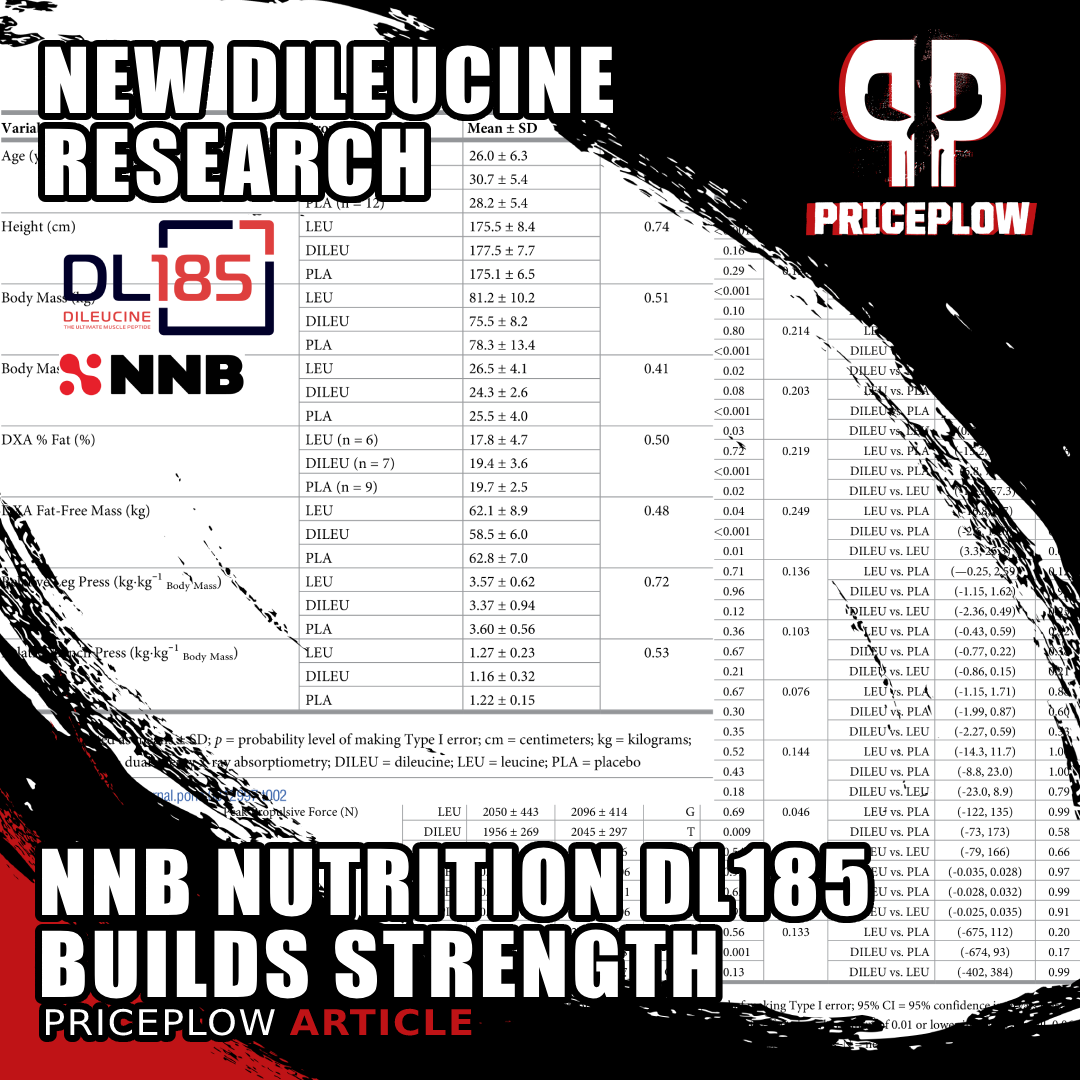
Groundbreaking research published in PLOS ONE demonstrates NNB Nutrition’s DL185 dileucine boosts lower body strength more effectively than leucine. 2g daily improved leg press strength and muscular endurance in 10-week study. Science continues supporting this novel ingredient.
The strength findings were clear-cut. Dileucine produced statistically significant improvements in both lower body strength (p. Leg press strength increased by 25.8% in the dileucine group versus 15.2% for leucine and 7.3% for placebo. Leucine showed no statistically significant strength changes versus placebo. Dileucine was the only condition that moved the needle.
Muscular endurance told an even sharper story. On leg press repetitions to failure, the dileucine group averaged 15 reps, placebo averaged 10, and leucine averaged 5. Leucine users actually finished below placebo. That’s the kind of outcome that tells you a lot about the practical difference between these molecules.
We covered this study in detail in our 2024 dileucine strength research article.
-
University of Toronto: Greater Leucine Retention vs. BCAAs
A third study (a poster presentation from the University of Toronto, not yet published in a peer-reviewed journal) used isotope tracking to compare dileucine-enriched essential amino acids (2g dileucine + 1g leucine) against a matched BCAA dose and collagen protein after whole-body resistance exercise.[10]
The dileucine group showed significantly greater leucine retention (the difference between intake and oxidation, used as a proxy for muscle utilization) than both the BCAA and collagen groups. The dileucine group also showed substantially less muscle protein breakdown in response to exercise, while the BCAA group did not. More leucine going into muscle, less muscle being broken down. That’s the combination you want in an aging population. PricePlow will provide full coverage when this work clears peer review.
Why Young-Men Data Still Applies to a 70-Year-Old
A reasonable question: if the direct DL185 research is in young, healthy, resistance-trained men, why does it matter for someone three decades older?
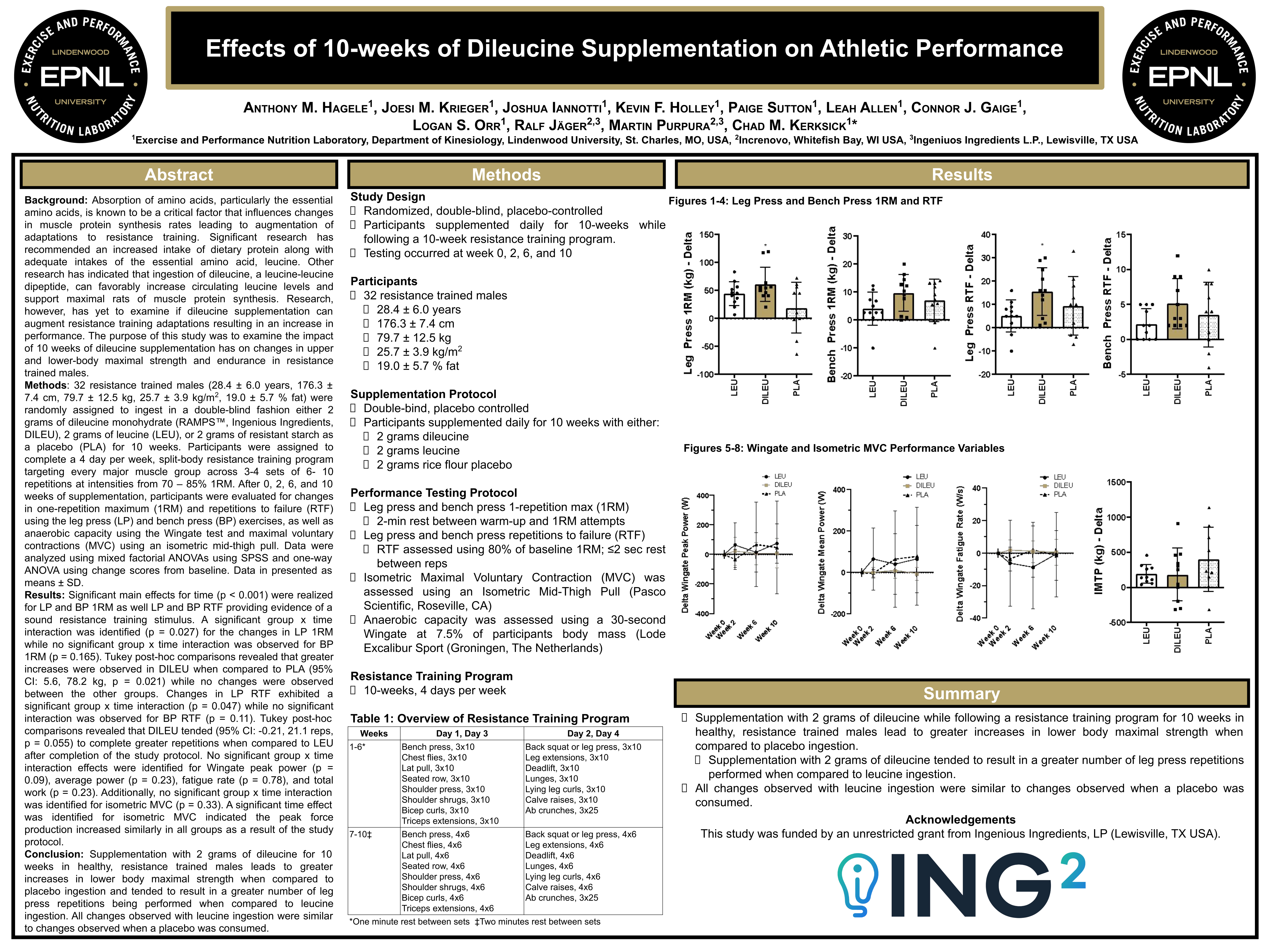
Effects of 10-weeks of Dileucine supplementation on athletic performance[16]
The pathway is the same. Both young and old muscle use the leucine-mTORC1-MPS cascade as the primary anabolic signaling route. Aging doesn’t eliminate the pathway, it raises the threshold. You need a bigger, faster leucine signal to get the same response.[6] DL185 delivers exactly that: more leucine into muscle, faster, with a larger MPS response.
Two specific characteristics of aged physiology make the dileucine advantage even more pronounced in older adults, not less:
- First, reduced gut absorption efficiency and declining intestinal blood flow make free amino acid transport less reliable with age. PEPT1, the transporter dileucine uses, is a high-capacity system that’s less susceptible to age-related decline. Older adults may actually get more relative benefit from the dipeptide transport route than young adults do.
- Second, anabolic resistance in aging muscle is partly explained by lower amino acid availability at the muscle after protein ingestion.[17] DL185 directly addresses this constraint by getting more leucine into muscle within the critical 30-minute window following ingestion.
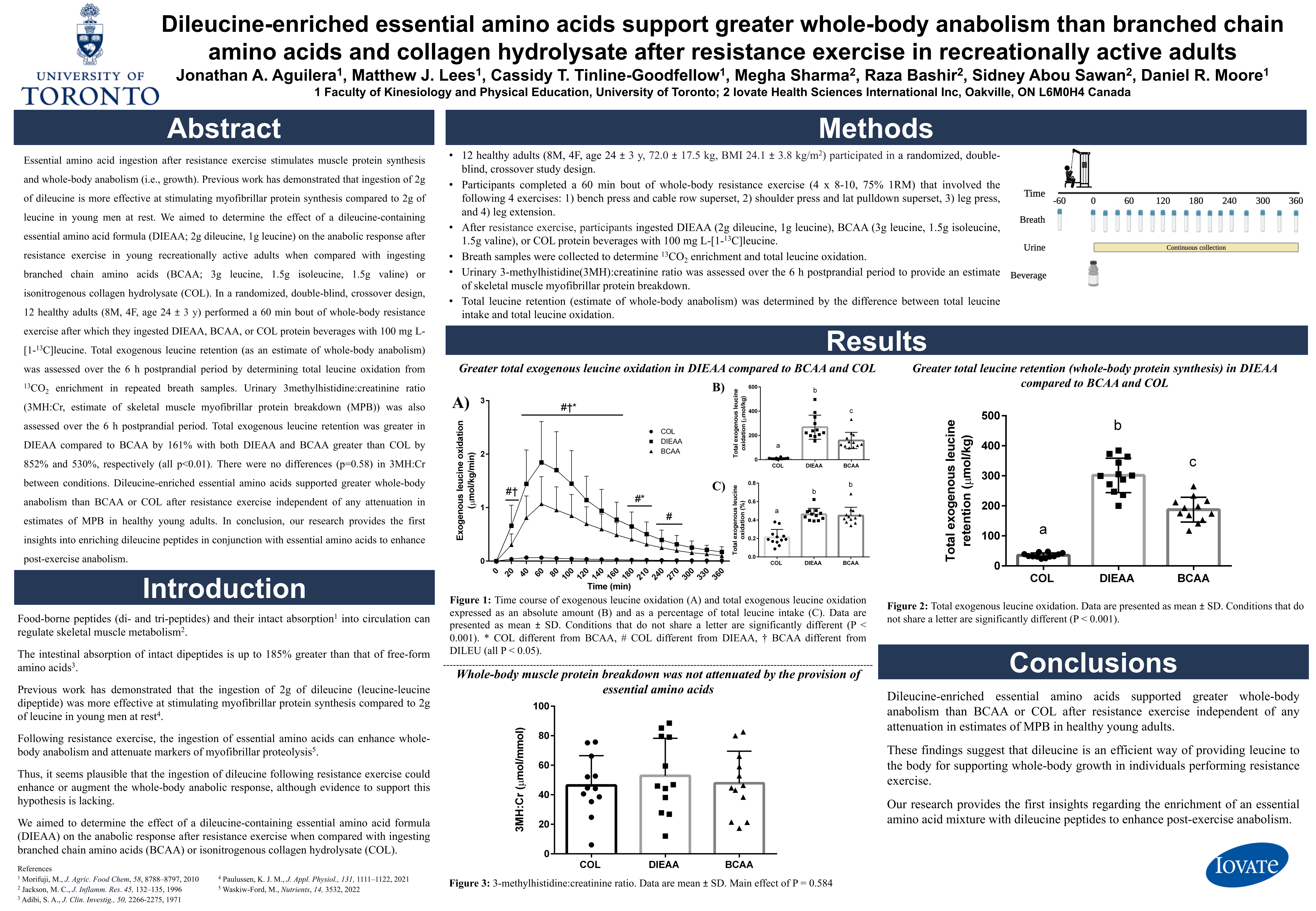
In this poster presentation, dileucine significantly reduced muscle breakdown in response to whole-body resistance training, while BCAA did not.[10]
The data also showed MPS increases at rest, independent of exercise. That’s a clinically meaningful finding for frail elderly populations who can’t train hard or at all during recovery periods.
Strength vs. Mass: Why Dynapenia Is the Real Target
Most sarcopenia discussions focus on muscle mass, but the functional outcomes that actually affect quality of life are strength-dependent. After 50, strength declines two to three times faster than mass.[18] A person can have adequate lean mass on a DEXA scan and still be profoundly functionally impaired if that muscle isn’t producing force.
Measures of lower-body and grip strength are strong predictors of performance on the activities of daily living that matter most: rising from a chair, climbing stairs, maintaining walking speed and balance, and completing household tasks. Falls are a leading cause of death and disability in older adults, and preventing them is a strength problem.
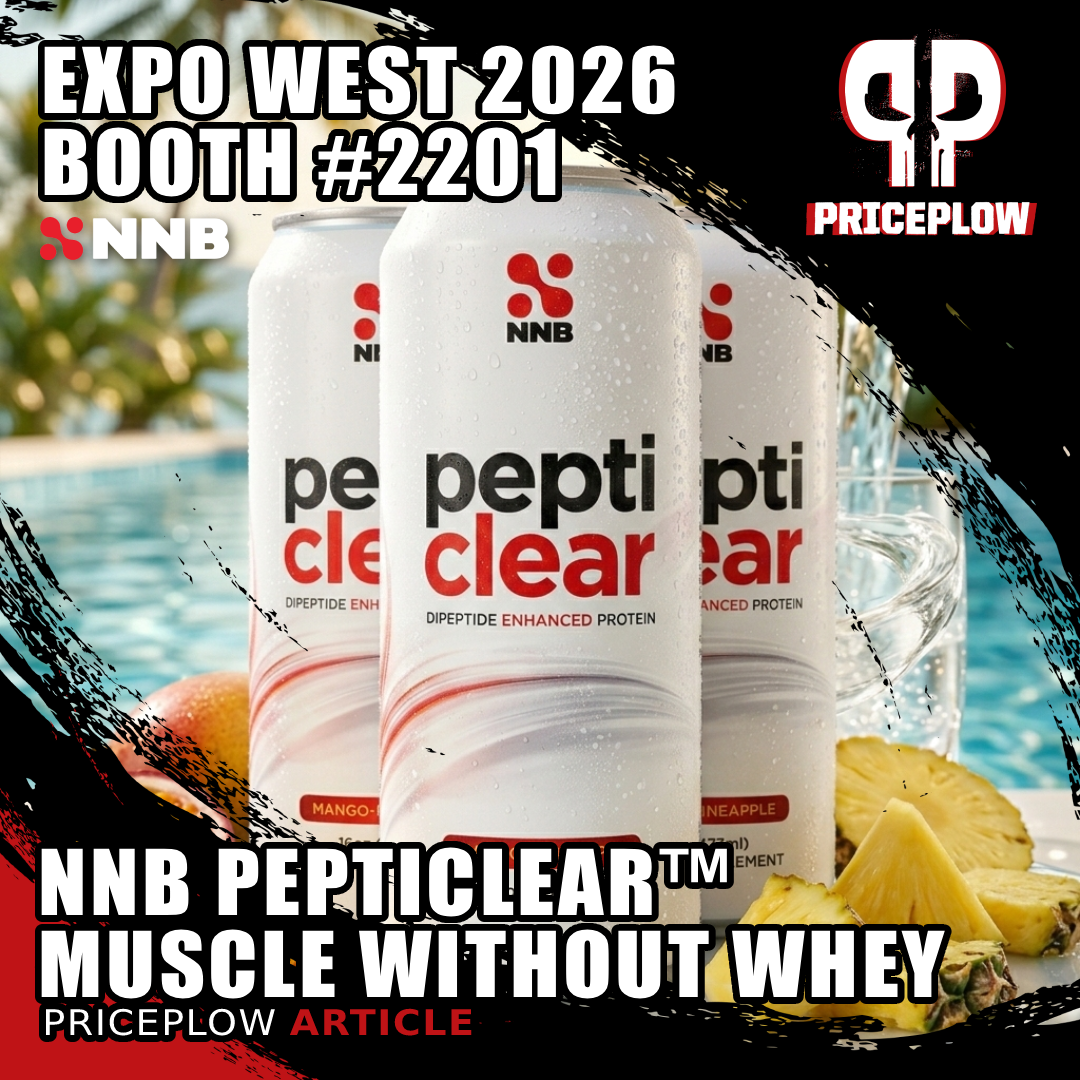
Whey prices are climbing and clear protein sodas can’t stay on shelves. NNB Nutrition’s PeptiClear™ may be the answer — 10g hydrolyzed pea protein plus 2g DL185® dileucine in a 60-cal mango-pineapple RTD, with early pre-clinical data suggesting mTOR activation on par with 25g of whey. See it at Expo West 2026 Booth #2201.
DL185’s 2024 study found statistically significant improvements in both lower body and total body strength. Leucine, at the same dose, produced no significant changes. For product developers targeting aging populations, this distinction is worth noting. Leucine is on every ingredient list; dileucine actually moved the needle in a controlled trial.
What Formulators Should Know
The sarcopenia audience is different from the sports nutrition audience in a few practical ways. They’re less likely to be doing structured resistance training. They’re more likely to be consuming lower total protein. They’re more price-sensitive to volume (large protein servings aren’t practical), and they’re more interested in functional outcomes like staying mobile and preventing falls, not aesthetic goals.
DL185 at 2g fits cleanly into a capsule or small tablet format, can be added to protein powders, or combined with a light protein source. NNB’s PeptiClear concept (10g of hydrolyzed pea protein isolate plus 2g of DL185 in a clear soda format) is a beverage application worth watching in this context. It’s light, approachable, and clinically dosed, which is a better fit for older adults than a thick protein shake.
For the full ingredient background, see our DL185 main ingredient page and our coverage of NNB’s longevity ingredient platform.
Conclusion: The Case Is Already Strong
NNB Nutrition’s Longevity Platform combines four powerful ingredients — Puremidine (spermidine), BioNMN (NMN), MitoPrime (L-ergothioneine), and GlucoVantage (dihydroberberine) — to target “youth span” through cellular recycling, energy restoration, and mitochondrial protection.
There are no direct human trials yet on dileucine in sarcopenic populations. DL185 is a novel ingredient, and that research takes time. But the mechanistic case is solid, the human clinical evidence from younger populations is strong, and the biological argument for why the effects would be at least as pronounced in older adults is sound.
The 2024 PLOS ONE trial showed that 2g of dileucine does what 2g of leucine cannot: produce statistically significant lower body strength gains over 8 weeks of training. That finding, combined with the acute MPS and intramuscular leucine data from the 2021 crossover trial, gives DL185 a research package that few ingredients in this category can match.
NNB is actively working toward a dedicated sarcopenia study. As that data matures, PricePlow will be the first to cover it. Sign up for NNB Nutrition news alerts below to stay current.
Leave a Reply