
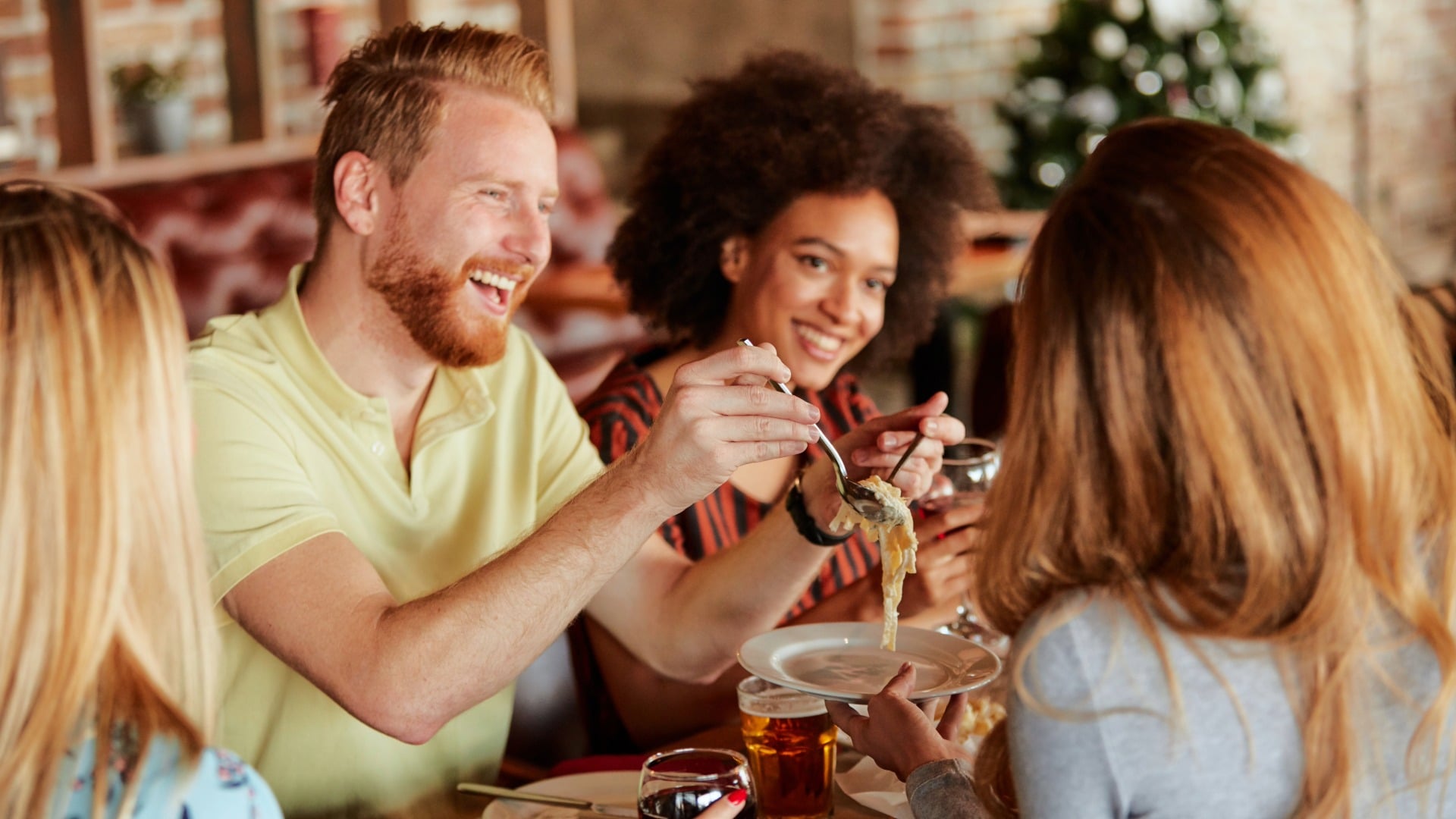

A single plate. Two strangers. One language they both understand. It doesn’t matter where you’re from—when you share food, the walls start to crumble.
In fact, a 2023 study by the World Food Travel Association found that 89% of travelers believe sharing a meal with locals is the best way to understand a culture. That number speaks louder than any guidebook.
When Travel Becomes Taste
You land in a city where you know no one. Your tongue stumbles over the local words. But then, someone offers you a steaming bowl of something you cannot name. They smile. You taste. Suddenly, you’re not a tourist. You’re a guest.
Travel isn’t just about seeing new places. It’s about tasting them. And the conversations that happen over a shared dish—they stay with you longer than any monument.
New Emotions at the Table
Food has this weird power. It unlocks feelings we didn’t know we were carrying. One bite of your grandmother’s curry in a foreign kitchen can bring tears. Laughter erupts when you try to use chopsticks for the first time. These are new emotions, or maybe old ones, rediscovered.
A survey from Airbnb in 2024 reported that 64% of people who joined food-based experiences said they felt “a deeper emotional connection” to the host within minutes. Minutes. Not hours. That’s the speed of trust when food is involved.
Recipes Without Borders
Ever tried to explain how to make pasta to someone who only speaks Swahili? You use your hands. You point. You laugh at the chaos. In the end, the dough comes together. And so do you.
There’s no passport for recipes. They cross borders like birds, without permission. And with the advent of random video chat, communication is becoming accessible to everyone. You can join a spontaneous video chat anytime. Thanks to the CallMeChat platform, a Mexican grandmother’s mole ends up in a Tokyo kitchen. A Japanese tempura technique finds its way to a street stall in Lima. You can compare the online communication tool to a bridge between different cultures and countries.
Statistics That Surprise
Let’s look at numbers. According to a 2025 report by the United Nations World Tourism Organization, food-related activities now account for over 40% of cultural tourism spending globally. People are hungry for connection, not just calories.
Another stat: 78% of respondents in a global survey by National Geographic said they’ve made a lasting friendship while sharing a meal during their travels. Lasting friendship. From one meal. Think about that.
The Language of Sharing
You don’t need to speak Italian to say “delicious.” A closed-eyed smile, a thumb up, a second helping. That’s enough. Food conversations are full of gestures, sounds, and silences that say more than words.
And when you do learn a few food words—savory, spicy, sweet—they become the first bridge. Suddenly you’re asking for recommendations, swapping stories about what you eat back home. The conversation flows.
New Emotions, New You
There’s a version of yourself that only appears when you’re sitting on a small stool in a bustling market, eating something you can’t pronounce. That version is curious. Unprotected. Open. Food travel brings out new emotions—vulnerability, wonder, a strange kind of belonging.
Psychologists at Oxford University found that people who eat together report higher levels of happiness and social bonding. In a 2023 study, they noted that the act of sharing food releases endorphins. So it’s not just in your head. It’s in your body.
When Words Fail, Flavor Speaks
Sometimes, the most profound conversations are silent. A study from the journal Appetite noted that cross-cultural food exchanges can reduce implicit bias by up to 20% after a single, shared positive experience.
Think about that. A shared plate can do what debates and lectures often cannot.
It bypasses the logical mind and goes straight to the senses. You can’t argue with a shared laugh over a sticky, sweet dessert that neither of you can name.
One Conversation at a Time
Borders are made of paper, wire, and fear. But a table has no borders. When you sit down with someone, even if your languages clash, the food does the translation.
So next time you travel, skip the hotel restaurant. Go to the place where the locals line up. Ask questions. Point at something. Smile. That conversation might just change something in you.
A Collaborative Post
Other Things You Might Like

Leave a Reply