
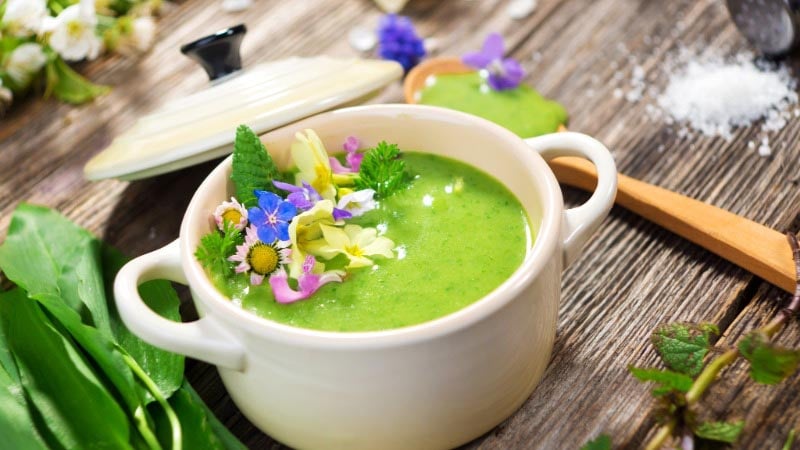
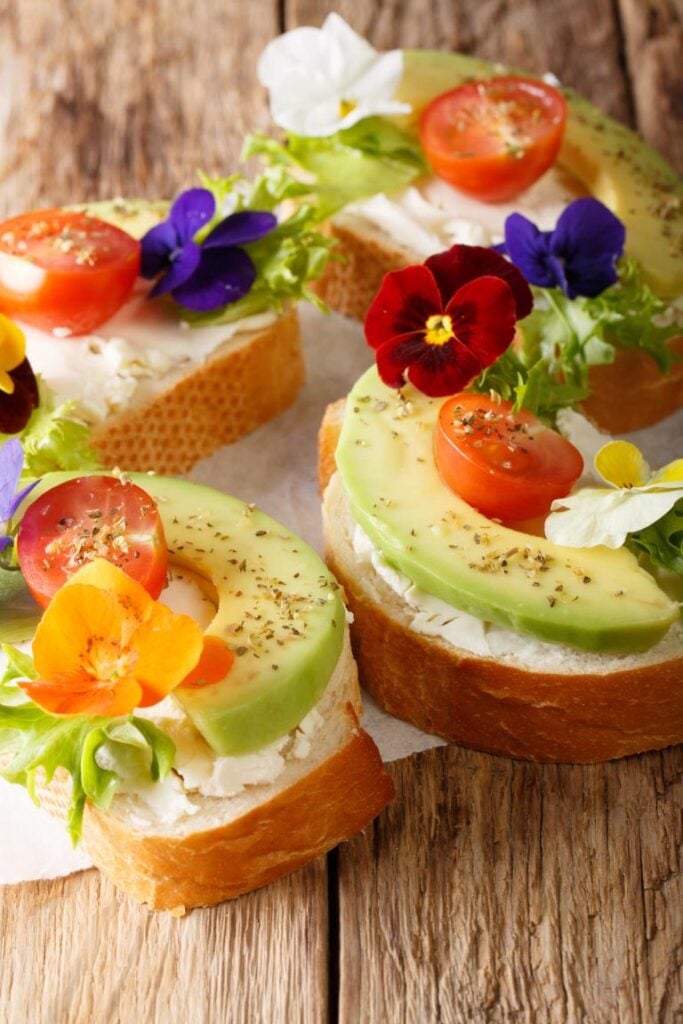
Picture this: you scatter a handful of rose petals over your morning yoghurt, toss peppery nasturtium blooms into a lunchtime salad, and finish the day with a golden disc of calendula butter melting over pan-seared salmon — flowers for breakfast, lunch and dinner, all in one glorious day. Sound far-fetched? It really isn’t.
Flower delivery to Leeds with reliable service from MyGlobalFlowers straight to your door — that’s an easy way to get fresh edible blooms for your kitchen experiments. In this article you’ll find three tested recipes using edible petals, one for each meal of the day, plus essential safety tips and sourcing advice tailored to the UK. Whether you’re a curious home cook or a seasoned kitchen experimenter, you’ll walk away knowing exactly how to bring blooms from the garden to the table — safely, deliciously, and with real confidence.
Edible flowers aren’t some fleeting Instagram trend, by the way. They have deep roots in British culinary tradition. Think elderflower cordial on a warm June afternoon, crystallised violets perched on a Victoria sponge, or borage stars floating in a jug of Pimm’s. Our grandmothers knew this stuff. We’re just rediscovering it — and these three recipes are the perfect place to start.
Before you cook — which flowers are safe to eat?
Before you bring flowers for breakfast, lunch and dinner into your kitchen, you need to know one critical thing: not every bloom belongs on a plate. Some are genuinely dangerous. So let’s get the safety essentials sorted first.
The golden rule of sourcing edible flowers in the UK
Here’s the thing — some of the most beautiful garden flowers are toxic. Foxglove, lily of the valley, oleander, and daffodils can all cause serious harm if ingested. Never eat flowers from a florist’s bouquet, a garden centre display, or a roadside verge. These may have been treated with pesticides, herbicides, or floral preservatives that are not meant for human consumption.
Instead, buy certified edible flowers from specialist UK suppliers, farmers’ markets, or grow your own from organic, untreated seeds. Growing your own is surprisingly easy — nasturtiums, violas, and calendula practically look after themselves.
Common safe edible flowers available in the UK include:
- Roses
- Nasturtiums
- Violas and pansies
- Calendula (pot marigold)
- Lavender
- Borage
- Cornflowers
- Elderflower
- Chamomile
- Courgette blossoms
If you’re ever unsure about a specific flower, don’t guess. Look it up in a reputable source or simply leave it out.
How to store edible petals at home
Edible flowers are delicate, so storing them properly makes all the difference. Follow these steps:
- Wrap petals loosely in damp kitchen paper.
- Place the wrapped petals inside an airtight container.
- Store in the fridge for up to 3 days.
- Rinse gently under cold running water just before use — never soak them, as they’ll go limp.
- Remove pistils and stamens from larger blooms. Use only the petals unless the recipe specifically says otherwise.
I always find it surprising how many recipe articles skip this part entirely. But trust me, proper storage is the difference between vibrant petals and a sad, wilted mess.
Recipe 1 — Breakfast: Rose petal and honey granola bowl
Flowers for breakfast might sound eccentric, but this rose petal granola bowl will convert you in one spoonful. It’s fragrant without being overpowering, crunchy, golden, and genuinely lovely to look at. Perfect for a lazy weekend morning or a Mother’s Day brunch.
Ingredients
Serves 2
- 150 g rolled oats
- 2 tbsp coconut oil, melted
- 2 tbsp runny honey (local British honey if possible)
- 1 tbsp dried rose petals, plus fresh petals for garnish
- 30 g flaked almonds
- 30 g mixed seeds (pumpkin, sunflower)
- Pinch of sea salt
- 200 g Greek yoghurt
- Fresh seasonal berries (strawberries, raspberries, blueberries)
- Drizzle of rosewater (optional, about ½ tsp)
Method
- Preheat your oven to 160 °C (fan).
- Toss the oats, coconut oil, honey, almonds, seeds, and salt together in a large bowl until everything is well coated.
- Spread the mixture on a lined baking tray. Bake for 20–25 minutes, stirring halfway through, until golden.
- Remove from the oven. Fold in the dried rose petals while the granola is still warm.
- Let it cool completely on the tray — the granola crisps up as it cools, so resist the urge to dig in straight away.
- Spoon yoghurt into bowls. Top with granola, fresh berries, and a scattering of fresh rose petals.
- Add a tiny drizzle of rosewater over the yoghurt for an extra floral note.
Cook’s notes
- Store leftover granola in an airtight jar for up to 2 weeks.
- Swap roses for dried lavender buds if you like — but use them sparingly, about 1 tsp at most. Lavender is potent.
- This makes a beautiful gift too. Pack the granola in a jar with a ribbon and a few dried petals tucked inside.
Recipe 2 — Lunch: Nasturtium, goat’s cheese and walnut salad
Flowers for lunch feel natural once you’ve tasted a nasturtium — peppery, bright, and impossible to ignore. Honestly, this one’s my favourite of the three recipes. It takes about ten minutes, looks stunning, and tastes like something you’d pay £14 for at a farm-to-table restaurant.
Ingredients
Serves 2
- 2 large handfuls of mixed salad leaves (rocket, watercress, baby spinach)
- 12–15 nasturtium flowers and young leaves
- 80 g soft goat’s cheese, crumbled
- 40 g walnuts, lightly toasted
- 1 ripe pear, thinly sliced
For the dressing:
- 2 tbsp extra virgin olive oil
- 1 tbsp white wine vinegar
- 1 tsp Dijon mustard
- 1 tsp honey
- Pinch of salt and pepper
Method
- Toast the walnuts in a dry pan over medium heat for 3–4 minutes, shaking the pan occasionally. Set aside to cool.
- Whisk the dressing ingredients together in a small jar or bowl until emulsified.
- Arrange salad leaves on two plates. Scatter pear slices, crumbled goat’s cheese, and toasted walnuts over the top.
- Tuck nasturtium flowers and leaves throughout the salad — don’t pile them in one spot. Let them sit naturally among the other ingredients.
- Drizzle the dressing over the salad just before serving.
Why nasturtiums work so well
Nasturtiums grow easily in UK gardens and allotments, even in partial shade. They’re wonderfully low-maintenance. Every part of the plant is edible — the flowers, the round lily-pad-like leaves, and even the seeds, which taste remarkably like capers when pickled in vinegar.
The peppery bite of nasturtium complements creamy goat’s cheese the way rocket does, but with far more colour and drama. A plate of this salad genuinely stops people mid-conversation. It’s that striking.
Recipe 3 — Dinner: Pan-seared salmon with calendula butter
Flowers for dinner sound restaurant-fancy, but this calendula butter takes about five minutes to make — and it transforms a simple piece of salmon into something you’ll want to cook every week. The butter melts into a golden, fragrant pool over the hot fish. It’s absurdly good.
Ingredients
Serves 2
- 2 salmon fillets (about 150 g each), skin on
- Salt and pepper
- 1 tbsp olive oil
For the calendula butter:
- 50 g unsalted butter, softened
- Petals from 3–4 fresh calendula (pot marigold) flowers
- Zest of ½ lemon
- 1 small garlic clove, finely grated
- Pinch of flaky sea salt
To serve: steamed new potatoes or seasonal greens
Method
- Make the butter first. Chop the calendula petals finely. Mix them into the softened butter along with the lemon zest, garlic, and salt. Roll the mixture into a small log using cling film. Chill in the fridge for at least 30 minutes.
- Pat the salmon fillets dry with kitchen paper. Season generously with salt and pepper.
- Heat olive oil in a non-stick frying pan over medium-high heat.
- Place the salmon skin-side down. Cook for 4 minutes until the skin is crisp and golden.
- Flip carefully. Cook for another 2–3 minutes (slightly less if you prefer a pink centre).
- Slice a round of calendula butter and place it on each hot fillet. Let it melt slowly.
- Serve immediately with steamed new potatoes and a few extra calendula petals scattered on the plate.
Why calendula?
Calendula petals have a subtle, slightly tangy flavour. They’re sometimes called “poor man’s saffron” because they add a warm golden colour to anything they touch — butter, rice, even baked goods. Calendula grows abundantly across the UK from late spring through autumn, making it one of the most accessible edible flowers you can cultivate.
The compound butter can be made in advance and frozen for up to a month. Just slice off rounds whenever you need them. It’s equally brilliant on grilled chicken, steamed vegetables, or crusty bread.
Common mistakes when cooking with flower petals
Even with flowers for breakfast, lunch and dinner mapped out, there are a few pitfalls to dodge. Here are the most common ones:
- Using florist flowers → Buy only certified food-grade or home-grown organic petals. Bouquet flowers are treated with chemicals not meant for eating.
- Overdoing lavender → Add lavender in tiny amounts — about ½ tsp for a full recipe. Too much tastes soapy and overpowers everything else.
- Cooking petals at high heat → Add delicate petals at the end of cooking or use them as a garnish. Heat destroys both colour and flavour.
- Skipping the wash → Rinse petals gently under cold running water to remove insects, grit, and any residue.
- Ignoring allergies → Check for pollen allergies before serving edible flowers to guests — especially hayfever sufferers. A heads-up at the table goes a long way.
When to serve edible flower dishes in the UK
Flowers for breakfast, lunch and dinner aren’t reserved for special occasions — but they certainly shine at them. Here are some perfect moments to bring these recipes out:
- Spring and summer garden parties → Nasturtium salads and borage-studded Pimm’s jugs.
- Mother’s Day (March) → Rose petal granola served in bed with a cup of tea.
- Afternoon tea → Crystallised violas on scones, lavender shortbread alongside the sandwiches.
- Summer Bank Holiday barbecues → Calendula butter on grilled fish or sweetcorn.
- Christmas and New Year → Candied rose petals on a winter trifle.
- Valentine’s Day → Rose-infused desserts carry obvious romantic flair.
And beyond eating flowers, you can also surprise someone you love with a hand-delivered bouquet. MyGlobalFlowers connects you with local florists across the UK who assemble fresh arrangements and deliver them directly to the door. The delivery cost is calculated individually at checkout, and the florist may substitute specific stems with equally beautiful alternatives to keep the bouquet looking its absolute best — that’s the beauty of artisan craftsmanship.
Flowers on every plate — your next step
Honestly, the first time I dropped calendula petals into melting butter, I felt a bit ridiculous. Then I tasted it. Now I keep a roll of that butter in my freezer at all times, and I’ve made the rose granola so often I could do it with my eyes shut.
You don’t need to tackle all three recipes at once. Pick one — just one — and try it this weekend. The nasturtium salad is probably the quickest win if you want instant results. The granola is the most satisfying if you enjoy a weekend baking project. And the salmon? That’s your move when you want to impress someone without spending hours in the kitchen.
Explore the MyGlobalFlowers blog for more flower inspiration — from growing guides to gifting ideas. And if you’d rather admire flowers in a vase than on a plate, browsing the bouquet catalogue is just a click away.
So — which meal will you try first: breakfast, lunch, or dinner?
Frequently asked questions
No. Many garden flowers are toxic — foxglove, lily of the valley, and daffodils, for example, are poisonous. Only use flowers confirmed as edible, ideally sourced from specialist food suppliers or grown yourself from organic, untreated seeds. If you’re unsure about a specific bloom, leave it off the plate.
Look for them at farmers’ markets, specialist online suppliers, and some larger supermarkets — Waitrose and M&S occasionally stock them in the fresh herb section. Growing your own nasturtiums, violas, and calendula is the easiest and cheapest option. A packet of seeds costs well under £3 and produces flowers all summer long.
Absolutely. Nasturtiums taste peppery, roses are sweet and fragrant, lavender is floral and slightly camphorous, and calendula has a mild, tangy warmth. Each flower brings its own distinct flavour profile — they’re not just decoration.
Store them in the fridge, loosely wrapped in damp kitchen paper inside an airtight container. Most edible flowers stay fresh for 2–3 days. Rinse them gently just before use, not before storage, to prevent them going soggy.
No. Bouquet flowers from florists are treated with preservatives and pesticides to extend their vase life. Never eat flowers from a decorative bouquet, no matter how fresh they look. Keep your edible flowers and your vase flowers completely separate.
A Collaborative Post
Other Things You Might Enjoy Reading

Leave a Reply