
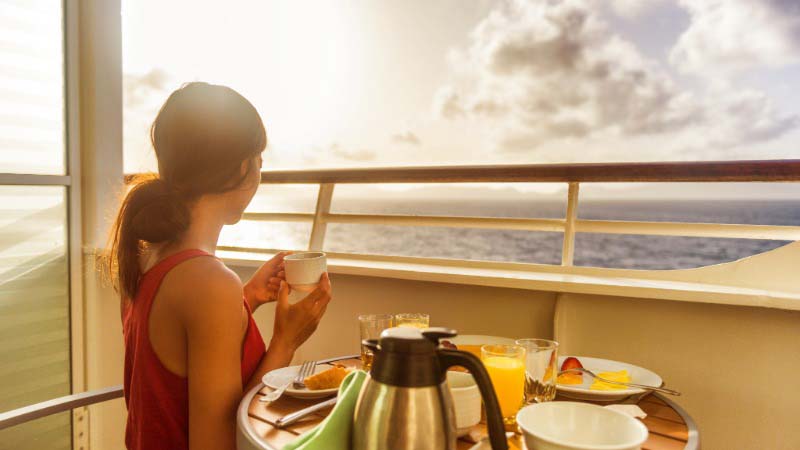
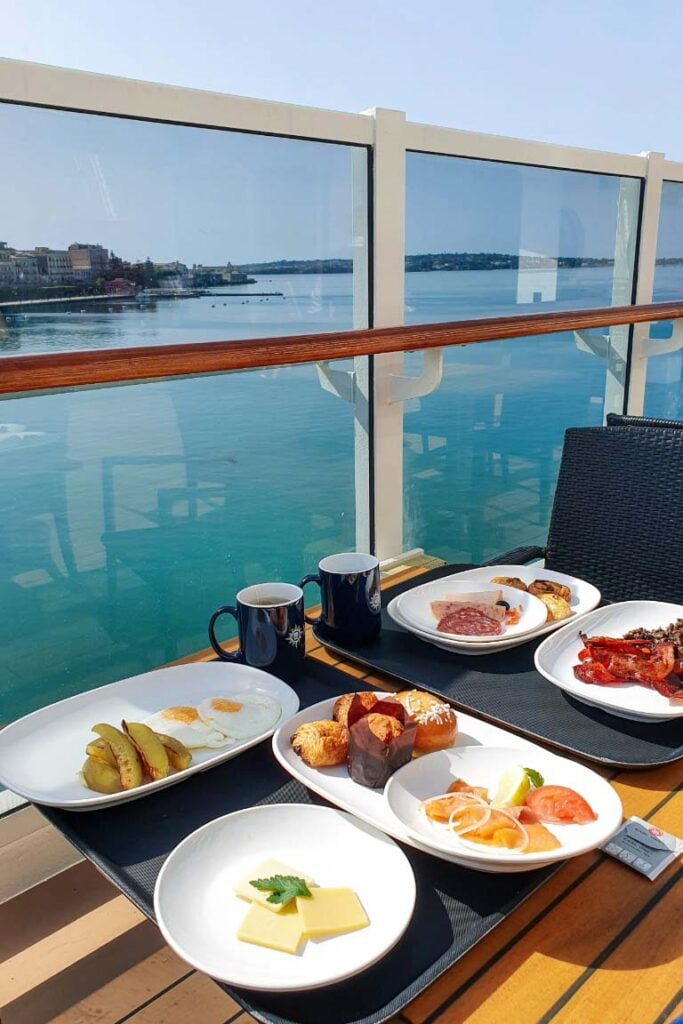
If you’re trying to eat more plant-based meals but aren’t ready to give up meat or fish entirely, a cruise is a pretty forgiving place to do it. Meals are provided all day and the choice is huge, so nobody bats an eyelid if you fill your plate with vegetables one night and order the steak the next. For anyone setting off from the UK, cruises from Tilbury are a particularly easy starting point, since there’s no flight or faff with transfers beforehand, which somehow makes the trip feel calmer before it’s even begun.
Flexitarian eating, for anyone unfamiliar with the term, just means leaning mostly on plant-based food while still allowing meat or fish now and again. On board a ship this is a fairly natural way to eat. Buffets, sit-down restaurants and themed dinner nights all lean heavily on vegetables, pulses, grains and fruit, so building a meal around plants rarely feels like a compromise.
What’s actually on offer
Cruise food has changed a fair bit over the years. The old image of endless rich, multi-course dinners is still there if you want it, but most operators now put real effort into lighter, more balanced dishes too. That works well if you’re trying to eat flexitarian, since the aim isn’t really about strict rules, it’s more about choosing food that’s good for you most of the time.
Breakfast usually brings fresh fruit, yoghurt and dairy-free alternatives, porridge, baked beans, grilled vegetables and a decent bread selection. Lunch and dinner buffets tend to include a salad station, roasted vegetables, pasta, curries and the odd vegetable soup. Even the main dining room usually has a vegetarian option as standard, and staff are normally happy to tweak a dish if asked.
The trick, if there is one, is to build your plate on purpose rather than grabbing whatever’s nearest. Start with vegetables, beans or whole grains, then decide afterwards whether fish or meat is going to join the party. Most chefs on board are used to this kind of request and will happily swap an animal protein for extra vegetables, or whatever plant-based option they’ve got that day.
Getting the best out of the buffet
Buffets can go either way. They’re brilliant because there’s so much choice, but that same choice can tip you towards whatever’s easiest, which isn’t always the most plant-forward option. A bit of planning helps here.
It’s worth doing a full lap of the buffet before putting anything on your plate, so you spot the plant-based dishes first instead of loading up on whatever’s nearest. Salad bars are usually a good place to begin, with fresh greens, grains, beans and toppings like roasted veg, seeds and a few decent dressings. From there it’s much easier to decide whether you fancy adding some grilled fish or sticking with the plant-based route.
Themed buffet nights are also worth seeking out, whether that’s Mediterranean, Asian or Caribbean. These tend to be naturally more plant-led, simply because the cuisines they draw on already lean heavily on vegetables, pulses and grains in their everyday cooking.
Sit-down meals and ordering off the menu
Beyond the buffet, most cruises have proper dining rooms or speciality restaurants where you order à la carte, and this is often where flexitarian eating gets easier to personalise. Menus usually mark out the vegetarian dishes clearly, and the kitchen is generally willing to adapt where it can.
A typical three-course meal might start with something like roasted beetroot or a seasonal soup, move on to a pasta, risotto or vegetable-led main, and finish with fruit, sorbet or a baked dessert that can often be adjusted if needed. It’s also worth mentioning your preferences to staff early on, as it tends to make things run more smoothly, since they’ll start pointing out the right dishes without being asked each time.
Finding a bit of balance
Cruises are built around indulgence to some extent, and that’s part of the fun. The point of eating flexitarian here isn’t to deny yourself that, it’s just about finding a rhythm that suits you.
That might mean plant-based meals through the day and fish or meat in the evening, or alternating heavier dishes with lighter, veg-led ones depending on how you’re feeling. Plenty of people notice that eating more plants gives them a bit more energy for the busier parts of the day, whether that’s a walk around the deck or a wander round whichever port you’ve docked at.
It’s also worth keeping an eye on how often you’re eating, since food is available pretty much round the clock. Eating when you’re actually hungry, rather than grazing because it’s there, tends to make the week more comfortable.
Tasting the world without leaving the ship
One of the best bits of cruising is getting a taste of different cuisines without ever leaving the boat, and a lot of these naturally suit flexitarian eating. Mediterranean menus bring olive oil, pulses, vegetables and whole grains. Asian-inspired nights often feature tofu, rice, stir-fried vegetables and good broths. Caribbean dishes might lean on tropical fruit, beans and a fair bit of spice.
This kind of variety makes plant-based eating feel like an adventure rather than a restriction, and it’s a reminder of how plant-forward world cuisine already is, long before anyone called it “flexitarian”.
A few practical habits
A handful of small habits go a long way here. Have a look at the daily menu in advance if you can, so you’re not deciding on the spot. Start meals with vegetables or salad where possible. And check out the plant-based dishes first, rather than letting them get overlooked in favour of the familiar stuff.
It also helps to treat each day as its own thing rather than sticking to a fixed plan. Some days will end up more plant-heavy, others less so, and that’s fine, that flexibility is really the whole point of eating this way. Cruising, as it turns out, fits surprisingly well around it.
A Collaborative Post
Other Things You Might Enjoy Reading

Leave a Reply