
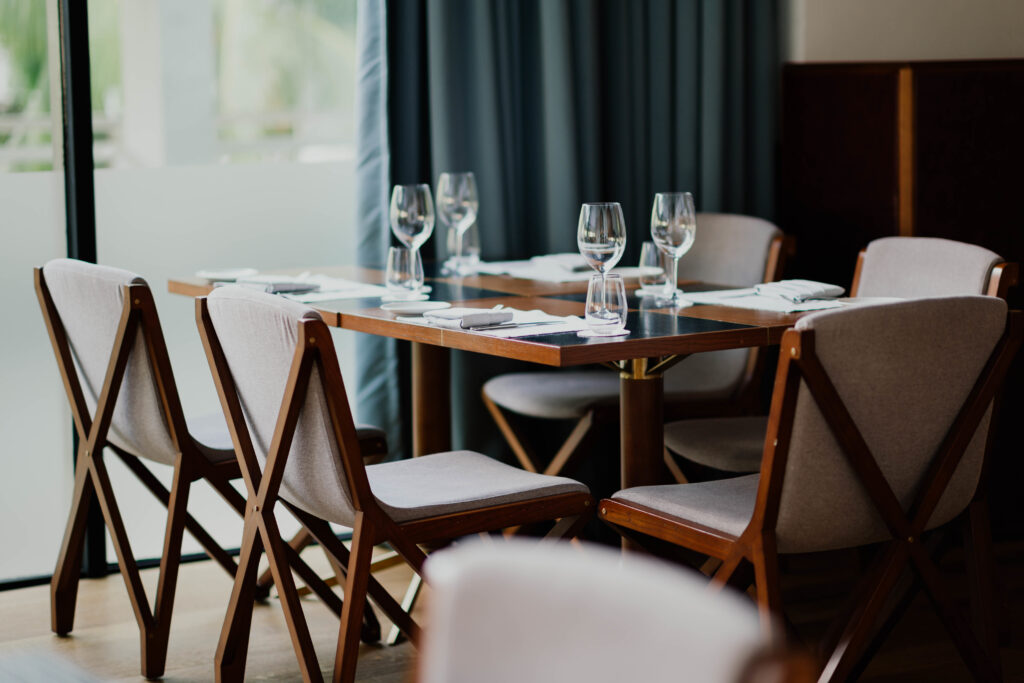
Overview of Popular Restaurant Chairs Styles
Understanding seating styles is an important first step when furnishing a dining space. Restaurant chairs are available in a wide range of designs, each suited to different aesthetics and service models. Traditional styles often feature classic silhouettes and wood finishes that create a warm, familiar atmosphere. Modern designs focus on clean lines and minimal detailing, making them ideal for contemporary interiors.
Industrial-style seating uses metal frames and exposed elements to achieve a rugged, urban look. Upholstered chairs add comfort and a more refined feel, often used in full-service or upscale environments. Stackable and lightweight options support flexibility in busy or multi-purpose spaces. By exploring these styles, restaurant owners can better align seating choices with their brand identity and guest expectations.
Common Materials Used in Restaurant Chairs
Material selection plays a major role in durability, maintenance, and appearance. Restaurant chairs are commonly made from wood, metal, plastic, or combinations of these materials. Solid wood chairs offer timeless appeal and sturdy construction, while metal chairs are valued for strength and resistance to wear. Plastic or resin options are lightweight and often chosen for casual or outdoor use.
Upholstered seating introduces additional comfort but requires careful material selection to ensure easy cleaning and longevity. Commercial-grade fabrics or vinyl are typically used to handle frequent use. Finishes and coatings also matter, as they protect against moisture, scratches, and stains. Choosing the right materials helps ensure seating remains functional and visually appealing over time.
Restaurant Chairs for Different Dining Environments
Different dining environments place different demands on seating. Restaurant chairs used in casual cafés or quick-service restaurants often prioritize easy movement and simple maintenance. These spaces benefit from lightweight designs that support quick turnover. In contrast, full-service restaurants typically require more comfortable seating that encourages guests to relax and enjoy longer meals.
Outdoor dining areas introduce additional considerations such as weather resistance and durability. Chairs in these settings must withstand exposure to sunlight and moisture. Bars and lounges may require higher seating or specialized designs to match counter heights. Matching seating to the specific environment ensures comfort, safety, and efficiency across all areas of the restaurant.
Choosing Restaurant Chairs Based on Traffic and Usage
Traffic levels directly impact how seating performs over time. Restaurant chairs in high-traffic areas must withstand constant use without compromising stability or comfort. Reinforced frames and secure joinery help chairs maintain their structure during busy service periods.
Lower-traffic areas, such as private dining rooms or lounges, may allow for more decorative or specialized seating. Understanding usage patterns helps restaurants allocate seating appropriately across the space. Chairs in high-use zones should emphasize durability and easy maintenance, while quieter areas can focus more on style or added comfort. Matching seating strength to traffic demands supports consistent performance and reduces long-term costs.
Comfort and Durability Factors in Restaurant Chairs
Comfort and durability are closely connected in commercial seating. Restaurant chairs should provide proper support while maintaining their structure over time. Seat height, backrest angle, and cushioning density all influence how comfortable a chair feels during use.
Durability depends on construction quality and material choice. Strong joints, reinforced frames, and protective finishes help chairs resist wear. Chairs that lose stability or comfort quickly can negatively affect guest experience. By evaluating both comfort and durability together, restaurants can select seating that performs well day after day. This balance supports guest satisfaction and helps avoid frequent replacements or repairs.
How to Match Restaurant Chairs to Your Layout and Concept
Seating should complement both the physical layout and overall concept of the restaurant. Restaurant chairs that fit the scale of the dining area help maintain clear pathways and efficient service flow. Oversized chairs can crowd the space, while undersized options may feel uncomfortable or out of place.
Design consistency is equally important. Chairs should align with the restaurant’s décor, lighting, and branding to create a cohesive environment. Color, material, and style choices all contribute to this harmony. When seating matches both layout and concept, it enhances the dining experience and reinforces the restaurant’s identity. Thoughtful planning ensures seating supports both aesthetics and functionality.
Conclusion
Selecting the right seating requires careful consideration of style, materials, and use cases. Restaurant chairs play a vital role in shaping guest comfort, operational efficiency, and overall atmosphere. By understanding different styles and materials, restaurant owners can choose seating that aligns with their concept and performance needs.
Traffic levels, dining environment, and layout all influence which chairs are most suitable. Balancing comfort and durability ensures seating remains reliable and inviting over time. When chosen thoughtfully, chairs contribute to a positive dining experience and support long-term success. Investing time in a structured buying approach helps restaurants create spaces that are both functional and welcoming for guests.
Leave a Reply