

People who pursue home renovations are usually concerned with aesthetics, functionality, and higher real estate valuation. But lately, more and more homeowners are increasingly focused on improving their homes in environmentally sustainable ways.
As energy prices increase and customers continue striving for a clean, healthy environment, home renovators are being forced to think about ways to lower their impact on the environment. Sustainable home renovations can lead to reduced energy costs.
Here are the five home renovations that can help you make your residence more eco-friendly. You’ll notice that working with reputable companies, like a dependable roofing and siding contractor if you have such projects on your to-do list, can make a world of difference.
1. Upgrading to Energy-Efficient Windows & Doors

Windows, doors, and other openings in your residence can impact, for better or worse, the energy consumption levels. Older windows, in particular, often allow air from outside to get inside and air from inside to get outside. That can mean a lack of interior comfort. The solution is to replace older windows with energy-efficient windows offering superior insulation features.
Double-pane glass, low-E coatings, insulated frames, and Energy Star ratings are things to look for in sustainable windows.
Apart from energy conservation, energy-efficient windows also provide benefits such as soundproofing and protection from the damaging effects of ultraviolet rays on interior furniture. The cost may seem high, but the long-term benefits will be worth the investment. That’s especially true when you consider the potential for a higher home valuation.
2. Upgrade to Low-Impact Interior Finishes and Materials
Another renovation that could make a drastic impact in terms of your home’s environmental footprint is low-impact interior finishes and construction materials. In most traditional interior paints, adhesives, sealants, and flooring materials, volatile organic compounds (VOCs) are used, which could have a detrimental impact on indoor air quality as well as that of the environment. Selecting interior paints and materials that contain low or zero VOCs could eliminate adverse environmental impact while creating a healthier indoor environment.
3. Installation of Sustainable Flooring Materials

You should also consider the flooring when striving to make your home more sustainable.
Bamboo flooring is popular because of its fast growth and regrowth rates compared to other hardwoods. Another popular green flooring option is cork, which comes from the bark. The tree itself is not harmed when getting that cork. Yet another form of green flooring is reclaimed wood, sourced from demolished structures such as barns.
Sustainable flooring materials can contribute to better environmental stewardship and the feeling that you’re putting your money where your mouth is.
4. Remodeling with Energy-Efficient Appliances & Fixtures
Kitchen and bathroom renovations provide opportunities to replace old appliances and fixtures with energy-efficient and water-saving ones. Energy-efficient appliances are Energy Star certified, meaning they use less energy and water while still meeting performance criteria.
Energy-efficient fridges, dishwashers, and washing machines use less energy. In bathrooms, low-flow toilets, faucets, and showerheads significantly conserve water without reducing water pressure. These changes work best in households with multiple people.
5. Renewable Energy & Sustainable Design Features
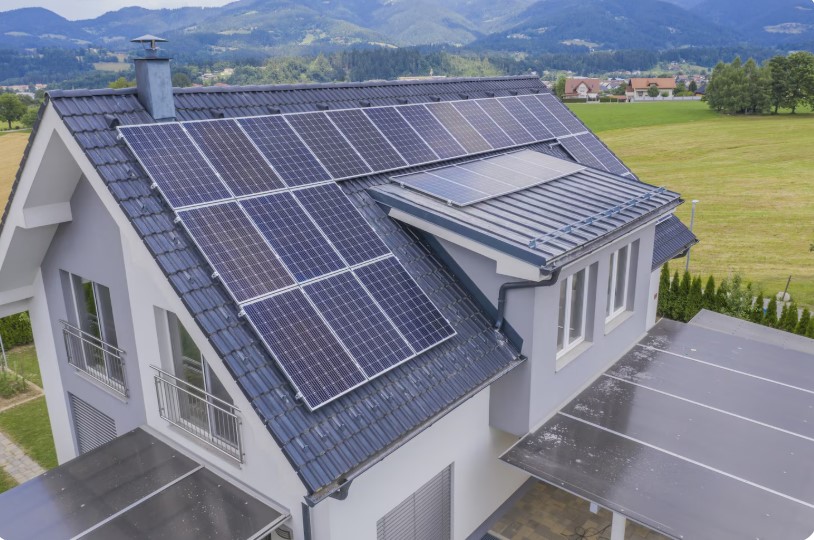
For homeowners seeking to make a significant impact, installing renewable energy, such as solar panels, will have a significant impact. Solar panels enable homes to generate clean energy while reducing reliance on the grid.
It’s also a good idea to consider replacing your home’s roofing system if the one in place is damaged or past its expected lifespan. You’ll want to work with a roofer who offers a variety of roofing materials so you can choose the one that best aligns with your goals. While the upfront cost will be considerable, a quality roof can last decades if it’s well cared for.
These are just a few examples of projects that can help you make your home more sustainable. You can prioritize projects based on your needs and budget. So, if you’re a homeowner who wants to be a better environmental steward, you can walk the walk with the right investments.
Leave a Reply